
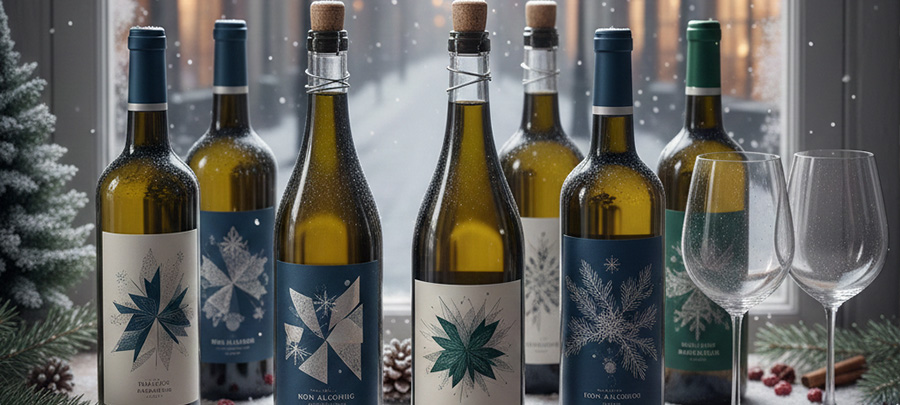
For years, December reliably meant a surge in demand for full-bodied reds, indulgent sweet wines, and sparkling labels destined for festive tables. But as we enter the 2025 holiday season, the global wine trade is witnessing a shift that cannot be ignored: the rapid rise of no- and low-alcohol (NoLo) wines.
This trend isn’t a niche experiment anymore — it’s a structural change in consumption, driven by younger demographics, health-conscious consumers, and year-end “moderation movements” like Dry December. Importers preparing their holiday portfolios for 2025 must understand how these products are reshaping expectations, logistics, and opportunities across global markets.
A New Holiday Reality: When Moderation Meets Celebration
Wine consumption patterns have been evolving for several years, with global per-capita alcohol intake steadily declining while demand grows for products perceived as premium, healthier, or more sustainable. December, historically dominated by celebratory high-ABV wines, is being influenced by the same forces.
Younger consumers — especially Millennials and Gen Z — are drinking less but drinking better. They are more open to alcohol alternatives, motivated by wellness, mindfulness, and a desire for balance during a season known for excess. This makes NoLo wines not just acceptable, but often preferred for office parties, family dinners, and gifting.
As a result, importers who once focused solely on Prosecco, Champagne alternatives, and traditional table wines now find themselves adding sparkling 0.0% cuvées, low-ABV spritz-style wines, and de-alcoholized festive varietals to their holiday assortments.
Market Data: Why Wine Importers Can’t Ignore NoLo Wines in 2025
The NoLo wine category continues to outperform expectations:
-
The global no- and low-alcohol beverages market is projected to grow robustly through the next decade, with 2024–2030 marking a decisive expansion phase.
-
Non-alcoholic wine specifically is expected to experience strong annual growth, driven by demand in Europe, North America, and regions with religious or legislative restrictions on alcohol.
-
Consumers aged 25–44 are now the primary buyers of NoLo wine, often seeking “better-for-you” festive options during December gatherings.
For importers, this means the category has passed the stage of experimentation. Retailers and HoReCa buyers are dedicating shelf space and menu sections to alcohol-free alternatives — and they expect importers to provide a curated, reliable supply.
2025 Holiday Product Trends Importers Should Watch
1. Sparkling NoLo Wines Take Center Stage
Sparkling is still king in December, but the big change is the emergence of 0.0% sparkling wines that mimic traditional Champagne cues: elegant packaging, refined bubbles, and crisp flavor profiles. These products are now being positioned alongside classic sparkling wines in festive promotions.
2. Low-Alcohol “Refreshers” Gain Traction
Not all consumers want zero alcohol. Low-ABV (5–9%) wines — lighter spritzers, frizzantes, and refreshing blends — offer a middle ground. They align with holiday parties where guests want multiple drinks without overindulgence.
3. Sweet & Flavored Festive SKUs
Mirroring trends from soft drinks and RTDs, producers are launching flavored NoLo wines (berry, citrus, spice-infused) tailored to holiday campaigns. These products appeal to gift shoppers and younger drinkers entering the wine category through non-traditional gateways.
4. Sustainable Packaging Becomes a Differentiator
Canned 0.0% wines, lightweight glass, and alternative packaging (e.g., Tetra, pouches) are increasingly important, especially when shipping costs rise near the holidays. Importers using sustainability as a talking point gain traction with eco-focused retailers.
Regulations, Logistics & Labelling: What Importers Need to Prepare For
Despite being alcohol-free or low-alcohol, NoLo wines do not entirely escape regulatory scrutiny. Importers gearing up for the holiday rush should review:
1. Import Classification
-
In some countries, 0.0% wine is treated similarly to soft drinks.
-
In others, de-alcoholized wine still falls under alcoholic beverage regulations, especially regarding excise duties or age restrictions.
Understanding these nuances early prevents costly delays during peak season.
2. Labelling Requirements
Ensure transparency for:
-
Exact alcohol content (0.0%, <0.5%, low-alcohol definitions vary by region)
-
Ingredients used in de-alcoholization
-
Allergen declarations
Since holiday shoppers increasingly compare labels, clarity can influence purchase decisions.
3. DTC & E-commerce Opportunities
NoLo wines’ legal flexibility makes them ideal for online holiday sales, subscription boxes, and corporate gifting. Importers supplying retailers with strong DTC strategies can gain a competitive advantage.
Opportunities for Producers & Exporters Targeting Importers This Season
1. Use NoLo Lines to Diversify
Producers facing fluctuating grape harvests or changing consumer habits can stabilize revenue through NoLo SKUs, especially during high-demand seasons like December.
2. Premium Positioning Works
Consumers are willing to pay more for high-quality, authentically crafted NoLo options. Exporters should highlight:
-
Grape origin
-
Production method (vacuum distillation, reverse osmosis, spinning cone)
-
Sensory quality compared to traditional wines
3. Holiday Gift Packs and Mixed Bundles
Combining classic wines with NoLo alternatives in festive gift sets is a growing strategy. Importers value suppliers who offer ready-made seasonal packaging.
How BestWineImporters Supports NoLo Market Expansion
With demand rising globally, producers and exporters need accurate, up-to-date importer intelligence more than ever. BestWineImporters helps you:
-
Identify importers actively listing low- or zero-alcohol wines in specific target markets.
-
Filter companies by product type, country of origin, financial criteria, and activity status.
-
Build highly targeted prospect lists for outreach campaigns during the holiday season.
-
Discover distributors expanding their NoLo portfolio and searching for new suppliers.
Whether you’re launching a new 0.0% sparkling line or expanding your low-ABV offerings, BWI provides the data foundation you need to approach the right buyers at the right time.
Final Thoughts
“Dry December” isn’t just a consumer movement — it’s becoming a strategic shift in the wine import landscape. No- and low-alcohol wines are rewriting holiday demand patterns, influencing portfolios, logistics, and retail strategies in 2025.
Wine importers and producers who adapt early will secure a competitive edge in a category that continues to accelerate as global drinking habits evolve.