
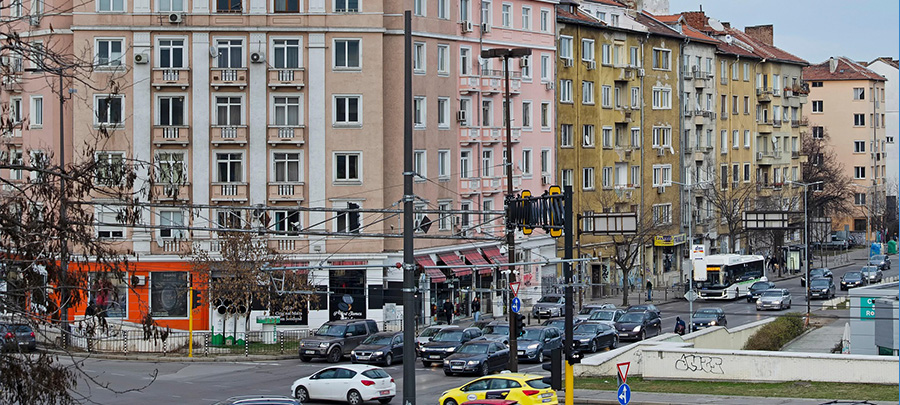
Wine importers in Bulgaria include specialist wine businesses and broader beverage distributors serving retail and hospitality. For a foreign winery, the strongest starting point is a defined portfolio gap: an origin, style or price band that the buyer can place with specific customers. National coverage and a large catalogue are useful signals, but neither establishes demand for a new estate.
Updated 24 September 2026. A practical guide for wineries selecting Bulgarian importers and preparing a first offer.
How to assess the Bulgarian wine opportunity
Build your shortlist around the customer you want to reach. A wine specialist can offer a focused setting for estate wines; a broader distributor may have a different mix of retail, hospitality and brand-management priorities. Check the existing Bulgarian and international producers in each portfolio before choosing the wines to present.
The three examples below show those differences. BNK Wines has a clear French and Italian sourcing identity. Seewines combines wine retail with business and hospitality services. Avendi manages a wider product portfolio that includes domestic and international wine brands. These are different commercial propositions for a producer seeking representation.
Separate bottled wine, bulk wine, grape must and fresh grapes when reviewing trade statistics. Figures for grapes or must do not establish the share of bottled wine in imports. Likewise, a forecast of lower local production does not prove that importers need your particular range. Use our export market selection framework to assess channel fit, available supply and achievable margins alongside market size.
Examples of Bulgarian wine importers and distributors
| Company | Business profile | What a winery should assess |
|---|---|---|
| BNK Wines | Wine importer and distributor with a portfolio centred on French and Italian estates, supported by its own licensed tax warehouse and transport. | Compare your appellation and price position with the estates already represented; establish the intended trade accounts. |
| Seewines | Wine merchant offering retail, wholesale, corporate-gift and hotel and restaurant services, with sommelier support. | Clarify direct buying responsibility, the relevant customer segment and how the range would be introduced. |
| Avendi | Marketing and distribution company with a wine portfolio covering Bulgarian and international producers alongside other product categories. | Identify the wine category buyer and agree the sales attention, account plan and supply volumes required. |
Sources: official company information linked above, reviewed 24 September 2026. These examples illustrate buying models rather than a ranking. Discuss current supplier opportunities with the relevant buyer before sending samples.
Choose the right sales route
Specialist shops and wine merchants
Offer a short selection with a clear identity. Explain what the wines add to the merchant’s current range and provide technical sheets that staff can use with customers. A new estate should be easy to understand without a lengthy presentation: origin, style, positioning and reliable availability are the essentials.
Restaurants, hotels and resorts
Ask which hospitality accounts the partner actively services and whether the opportunity is year-round or seasonal. For a proposed resort listing, agree ordering dates, delivery frequency and what happens to stock after the season. For restaurants, distinguish a by-the-glass wine from a premium bottle-list placement; each requires a different price and replenishment plan.
Wider retail distribution
Confirm who negotiates listings, who holds inventory and which promotional costs would fall to the winery. A large distribution network can involve several trading layers. Map those roles before calculating the final price or granting channel exclusivity. Our importer, distributor and agent guide explains the commercial differences.
Prepare pricing for Bulgaria’s euro market
Bulgaria adopted the euro on 1 January 2026, as confirmed by the European Central Bank. Prepare current quotations and shelf-price comparisons in euros, and identify the date and currency of any older price benchmarks. Do not compare an old lev figure directly with a euro price.
Work backwards from the intended selling price, including transport, handling, applicable taxes and trading margins. State your quotation validity, payment terms, minimum order and available stock. Shared currency does not remove logistics costs or make a wine commercially competitive by itself.
Before the first shipment, have the buyer confirm the local label requirements, product documentation and responsibility for the relevant import or intra-EU movement arrangements. Provide bottle dimensions, case configuration and pallet information early enough to calculate a realistic delivered cost.
Qualify the buyer before sending samples
- Identify the portfolio gap: compare origin, style and price with wines already represented.
- Confirm the buying role: establish which company purchases the wine and manages local stock.
- Map target accounts: ask for the intended customer types and geographic coverage.
- Agree the tasting brief: select relevant samples, a recipient and a decision date.
- Define an initial test: set opening quantities, launch responsibilities and a review before discussing wider exclusivity.
Use our wine importer qualification checklist and buyer outreach templates to turn research into a focused approach.
Build a Bulgarian buyer shortlist
Request a BestWineImporters demo to review the available Bulgarian importer and distributor coverage. Tell our team your winery’s origin, export price range, available volume and preferred sales channel so the discussion reflects your commercial priorities.
Compare related export markets
For a Southeastern European shortlist, compare buyer portfolios and launch economics with the Romania wine importer guide and the Slovenia wine importer guide. Qualify buyers, territory and commercial terms separately for each market.
Frequently asked questions
Which Bulgarian importer is best for my winery?
Choose according to portfolio fit, target customers and the attention available for your range. Evaluate a concrete sales plan rather than selecting by company size alone.
Should I quote Bulgarian buyers in lev or euros?
Bulgaria now uses the euro. Agree the quotation currency with the buyer and keep historical lev comparisons clearly labelled.
Does a Bulgarian distributor provide access to the whole Balkans?
Confirm each territory separately. A Bulgarian customer network does not establish active sales coverage or distribution rights in neighbouring countries.